%2Ffit-in%2F250x250%2Fguide_websites%2F28573%2Fimages%2F1742513372585nauti_dogg.png&w=1920&q=100)
/users/c4c6d6af-d609-4c12-8e3f-99284599f861/ratecard/9ada062a-41bd-47cf-b500-bb8a10df0353.jpg)
%2F300x300%2Fusers%2Fc4c6d6af-d609-4c12-8e3f-99284599f861%2Fratecard%2F9ada062a-41bd-47cf-b500-bb8a10df0353.jpg&w=256&q=75)
%2F300x300%2Fusers%2Fc4c6d6af-d609-4c12-8e3f-99284599f861%2Fimages%2Fvirginia-beach-cobia-fishing-catch-2645.jpg&w=256&q=75)
%2F300x300%2Fusers%2Fc4c6d6af-d609-4c12-8e3f-99284599f861%2Fimages%2Fvirginia-beach-cobia-fishing-boat-2531.jpg&w=256&q=75)
%2F300x300%2Fusers%2Fc4c6d6af-d609-4c12-8e3f-99284599f861%2Fimages%2Fvirginia-beach-cobia-fishing-dock-2499.jpg&w=256&q=75)
%2F300x300%2Fusers%2Fc4c6d6af-d609-4c12-8e3f-99284599f861%2Fimages%2Fvirginia-beach-cobia-trophy-catch-2536.jpg&w=256&q=75)
%2F300x300%2Fusers%2Fc4c6d6af-d609-4c12-8e3f-99284599f861%2Fimages%2Fvirginia-beach-cobia-fishing-catch-2575.jpg&w=256&q=75)
%2F300x300%2Fusers%2Fc4c6d6af-d609-4c12-8e3f-99284599f861%2Fimages%2Fvirginia-beach-redfish-catch-2585.jpg&w=256&q=75)
%2F300x300%2Fusers%2Fc4c6d6af-d609-4c12-8e3f-99284599f861%2Fimages%2Fdouble-cobia-virginia-beach-fishing-2525.jpg&w=256&q=75)
%2F300x300%2Fusers%2Fc4c6d6af-d609-4c12-8e3f-99284599f861%2Fimages%2Fvirginia-beach-cobia-catch-2643.jpg&w=256&q=75)
%2F300x300%2Fusers%2Fc4c6d6af-d609-4c12-8e3f-99284599f861%2Fimages%2Fvirginia-beach-cobia-fishing-catch-2541.jpg&w=256&q=75)
%2F300x300%2Fusers%2Fc4c6d6af-d609-4c12-8e3f-99284599f861%2Fimages%2Fvirginia-beach-fish-caught-lure-2736.jpg&w=256&q=75)
10 Hour Wreck Fishing Virginia Beach Nauti Dog
 The Back Deck, Shore Drive, Virginia Beach, VA, USA
What you will be catching:
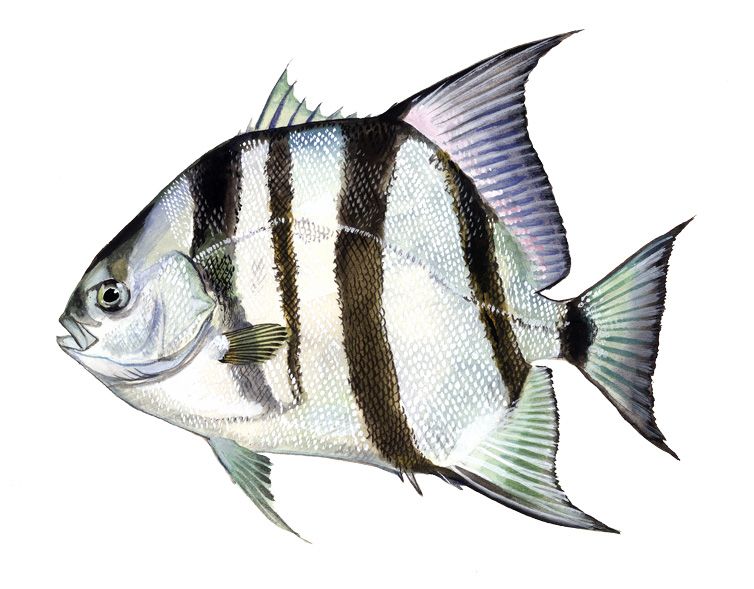 Spadefish
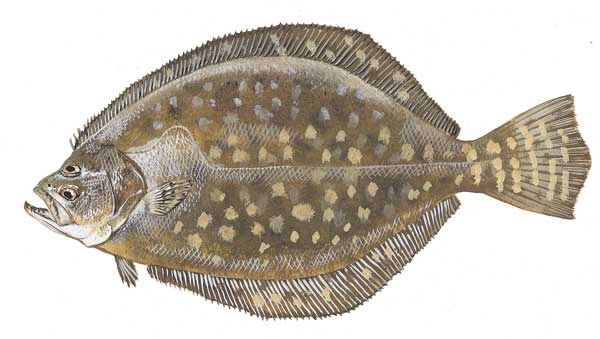 Southern Flounder
 Mahi Mahi or Common Dolphinfish
 Cobia
Cobia Black Sea Bass
- Join Captain and crew aboard Nauti Dog Sportfishing for a serious 10-hour wreck fishing adventure off Virginia Beach. We'll target productive nearshore wrecks and those new windmill bases that have been holding great fish. Expect to hook into black seabass, flounder, triggerfish, and spadefish as we work different structures throughout the day. With just 4 anglers max, you'll get personalized attention and plenty of room to fish. This is a full day on the water with multiple spots and species
- perfect for anyone wanting to experience Virginia's best wreck fishing action. Bring your appetite for a long day and expect to go home with a cooler full of quality fish.
Trip Pricing and Availabilities:
10 Hour Wreck Fishing Virginia Beach
Looking for serious bottom fishing action? This 10-hour wreck fishing adventure with Nauti Dog Sportfishing puts you right where the fish are biting. We'll cruise out to nearshore wrecks and those productive windmill bases that have become absolute fish magnets off Virginia Beach. With just 4 anglers max, you'll have plenty of room to work and won't be fighting for rail space like on those crowded party boats. This is quality fishing at its finest – we're talking structure that holds serious numbers of seabass, flounder, triggerfish, spadefish, and whatever else decides to bite.
What to Expect on the Water
We launch early to make the most of your 10 hours, heading straight to proven wreck sites where the GPS numbers have been dialed in over years of fishing these waters. The windmill bases have created some of the best artificial reef structure Virginia Beach has ever seen – it's like having brand new fishing spots that just keep getting better as marine growth takes hold. You'll be fishing in 60 to 120 feet of water typically, working structure that rises up from the sandy bottom like underwater skyscrapers. The ride out takes about 45 minutes to an hour depending on which wrecks are producing, giving you time to rig up and get your game face on. With only 4 guests, everyone gets personalized attention and plenty of coaching on technique.
Bottom Fishing & Wreck Tactics
Wreck fishing is all about precision – we're not just dropping lines anywhere. Using high-quality fish finders and GPS, we position the boat so your baits drift right through the strike zones where fish stage around the structure. You'll be using circle hooks with squid, clams, and cut bait, working anywhere from 8 to 16 ounce sinkers depending on current and depth. The key is keeping your bait in the zone without getting hung up in the wreck itself – it's a fine line that separates good wreck anglers from frustrated ones. We provide all the tackle and bait, plus we'll show you how to read the electronics so you can see exactly what's below us. When the bite is on, you'll be working multiple species on the same structure, so stay ready to adjust your technique.
Top Catches This Season
Spadefish are the acrobats of the wreck world, and Virginia Beach wrecks hold some of the best concentrations on the entire East Coast. These silver discs show up in massive schools during summer and early fall, often stacked so thick you can see them on the fish finder like clouds. They're picky eaters though – small hooks, light line, and tiny pieces of clam or jellyfish work best. When you hook one, expect a spirited fight with lots of head shaking and diving back toward the wreck. Most fish run 2 to 4 pounds, but the occasional doormat spade will surprise you. What makes them special here is the sheer numbers – on a good day, you might boat 20 or 30 per angler.
Black Sea Bass are the bread and butter of wreck fishing, and these Virginia Beach structures hold some chunky ones. They're year-round residents but really turn on during spring and fall when water temperatures hit that sweet spot. These fish have personality – they'll grab your bait and immediately head for the nearest hole in the wreck. You've got to horse them up quick or they'll cut you off on sharp metal. The bigger fish, what we call "humpbacks," can push 5 to 8 pounds and provide surprising power for their size. They're also fantastic table fare, with firm white meat that's perfect for everything from fish tacos to beer batter.
Southern Flounder are the shape-shifters hiding in the sand around wreck perimeters. Virginia Beach has always been prime flounder country, and these wrecks concentrate baitfish that draw hungry flatfish from miles around. Summer through early fall is prime time, when big females move offshore to spawn. These aren't your typical inshore rats – we're talking legitimate "doormat" flounder that can stretch 24 inches or better. They're ambush predators, so live bait like spot or croaker worked slowly around the wreck edges produces best. The fight isn't spectacular, but landing a genuine doormat flounder is a trophy moment that wreck regulars never forget.
Cobia are the wildcards that can make your entire trip. These brown sharks (that's what we call them) cruise wrecks looking for an easy meal and can show up any time from late spring through early fall. When one grabs your bait, you'll know it immediately – they make long, powerful runs and aren't shy about showing themselves on the surface. Most cobia we see run 20 to 40 pounds, with the occasional monster pushing 50 plus. They're curious fish too, often following hooked fish to the boat where a quick-thinking angler with a ready rod can score a double-header. The meat is absolutely top-shelf, earning cobia the nickname "ling" among serious fish eaters.
Mahi Mahi might seem out of place on a wreck trip, but these colorful speedsters regularly show up around offshore structure when conditions align. Typically a summer phenomenon when blue water pushes close to shore, mahi around Virginia Beach wrecks are usually smaller "schoolies" in the 5 to 15 pound range. What they lack in size, they make up for in acrobatics – few fish put on a better aerial show than a hooked mahi. They're also among the fastest-growing fish in the ocean, making them both sustainable and delicious. When mahi are around the wrecks, the action can be absolutely electric with multiple hookups and non-stop excitement.
Time to Book Your Spot
This 10-hour wreck fishing trip represents serious value for dedicated anglers who want to fish the best structure Virginia Beach has to